

Analysis of Bristle Shedding Mechanism and Structural Improvement Methods
Analysis of Bristle Shedding Mechanism and Structural Improvement Methods in Makeup Brushes
Bristle shedding remains a critical concern for makeup brush manufacturers and users alike, directly impacting product durability, user experience, and brand reputation. Understanding the underlying mechanisms of shedding and implementing targeted structural improvements is essential to enhancing brush quality. This delves into the key factors driving bristle shedding and explores actionable methods to mitigate this issue.
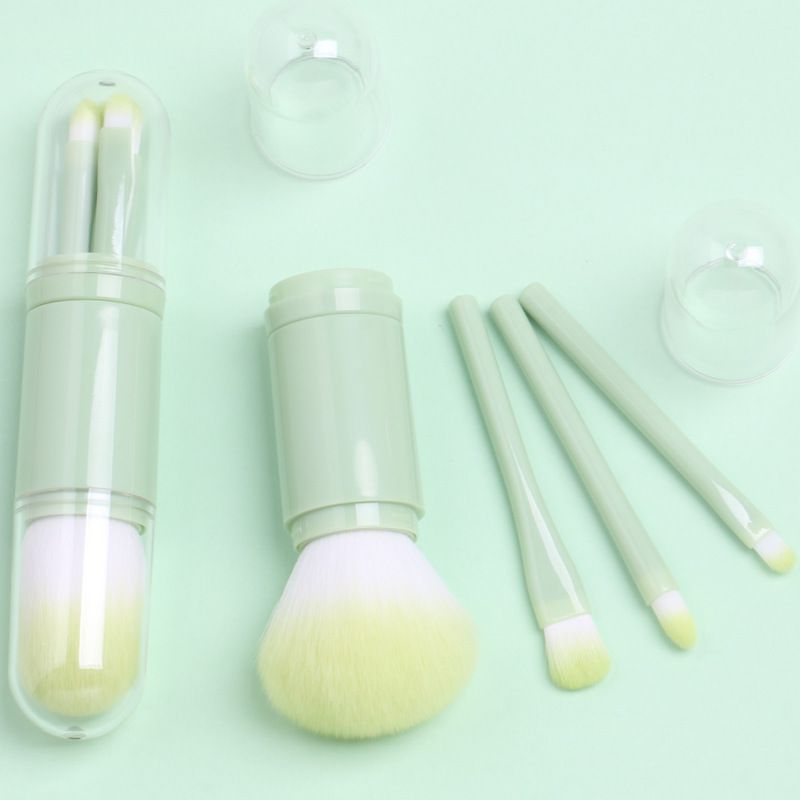
Mechanisms of Bristle Shedding
Bristle shedding is a multifaceted problem rooted in material properties, manufacturing processes, and structural design.
1. Material Fatigue and Weakness
The choice of bristle material significantly influences shedding. Natural fibers like goat hair, while soft, often lack the tensile strength and fatigue resistance of synthetic alternatives such as nylon or PBT (polybutylene terephthalate). Over time, repeated bending during makeup application causes micro-fractures in bristle shafts, especially at the root where stress concentration is highest. Synthetic fibers, if low-quality, may also degrade due to chemical exposure (e.g., makeup products, cleaning agents) or thermal stress during manufacturing, leading to brittleness and breakage.
2. Inadequate Adhesion at the Root
The bond between bristles and the brush ferrule (the metal or plastic base holding bristles) is a primary failure point. Traditional single-component adhesives may weaken under moisture or temperature fluctuations, especially if curing is incomplete. Additionally, uneven bristle distribution during the tufting process creates gaps in the adhesive layer, leaving some bristles loosely anchored. High-density bristle packing can further exacerbate this issue, as excessive pressure during tufting may compress adhesive, reducing its contact area with individual bristles.
3. Structural Stress Concentration
Brush head design plays a role in shedding. Sharp angles or uneven curvature in the ferrule can create stress points where bristles are bent or pulled more forcefully during use. For example, flat-top brushes with rigid ferrules may experience greater bristle displacement compared to rounded designs, increasing root strain. Similarly, poor integration between the ferrule and handle—such as weak crimping or glue joint failure—can cause the entire bristle cluster to loosen over time.
Structural Improvement Methods
Addressing shedding requires a holistic approach, combining material innovation, manufacturing refinement, and design optimization.
1. Material Selection and Enhancement
Upgrading to high-performance synthetic fibers is a proven strategy. Nylon 66, known for its high tensile strength (up to 800 MPa) and abrasion resistance, outperforms standard nylon 6 in reducing breakage. Blending nylon with PBT further improves flexibility and chemical resistance, as PBT’s low water absorption minimizes swelling and weakening of the bristle root. For natural fibers, treatments like silicone coating can enhance durability by reducing friction and moisture absorption, though this must be balanced with maintaining softness.
2. Adhesion Strengthening
Switching to dual-component epoxy adhesives offers superior bonding compared to single-component options. These adhesives, when properly mixed and cured at controlled temperatures (typically 60–80°C), form a cross-linked polymer network with higher shear strength (over 20 MPa) and resistance to solvents. Additionally, pre-treating bristle roots with plasma or primers increases surface roughness, improving adhesive grip. For high-density brushes, precision tufting machines with variable pressure settings ensure even bristle distribution, eliminating gaps in the adhesive layer.
3. Design Optimization
Redesigning the ferrule to reduce stress concentration is critical. Rounded ferrule edges and gradual curvature distribute pressure evenly across bristles, lowering root strain by up to 40% in testing. Integrating a reinforcing ring at the ferrule-handle junction—either metal or high-strength plastic—prevents handle separation and bristle cluster loosening. For specialized brushes (e.g., angled eyeshadow brushes), internal ribbing within the ferrule provides additional support to bristle tufts, reducing lateral movement during use.
Conclusion
Bristle shedding in makeup brushes stems from material fatigue, poor adhesion, and structural stress. By selecting advanced synthetic fibers, enhancing adhesive bonding through dual-component systems and surface treatments, and optimizing ferrule design to distribute stress, manufacturers can significantly reduce shedding rates. These improvements not only boost product longevity but also elevate user satisfaction, reinforcing brand trust in a competitive market.


